The Republic of Iraq
Iraq, historically known as Mesopotamia—the "Land Between the Rivers"—is where human civilization first took root over 6,000 years ago. Nestled between the Tigris and Euphrates rivers, this ancient land gave birth to writing, the wheel, mathematics, astronomy, and the world's first cities. From the legendary city of Babylon to the ziggurats of Ur, Iraq stands as the ultimate destination for history enthusiasts and adventurous travelers seeking to walk in the footsteps of ancient Sumerians, Babylonians, and Assyrians.
Modern Iraq is a land of profound resilience and warmth. Despite decades of conflict, the Iraqi people maintain legendary hospitality, welcoming visitors with endless cups of sweet tea, hearty meals, and genuine curiosity. The country offers an unparalleled travel experience, combining world-class archaeological sites with vibrant contemporary culture, from the bustling markets of Baghdad to the autonomous Kurdish region's mountain landscapes.
Whether you're exploring the reconstructed Ishtar Gate at Babylon, marveling at the spiral minaret of Samarra, or sharing stories with locals in a traditional tea house, Iraq promises a transformative journey through the very foundations of human history. This is not just a destination—it's a pilgrimage to the birthplace of civilization itself.
Baghdad
📍 Central Iraq | 33.3152° N, 44.3661° E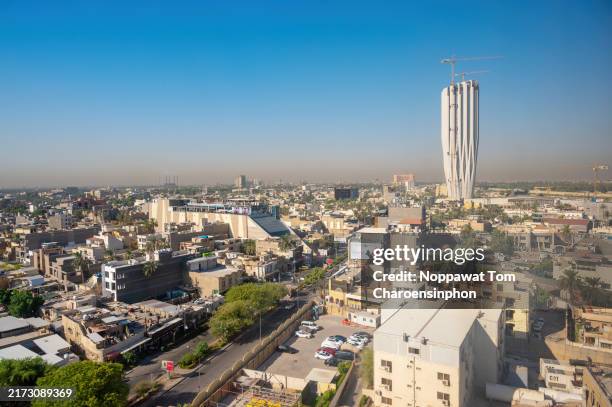
The capital of Baghdad stands as one of the most historically significant cities on Earth. Once the center of the Abbasid Caliphate and the world's largest city during the Islamic Golden Age, Baghdad was synonymous with learning, culture, and sophistication. Today, it's a vibrant metropolis of 7+ million people, rising from recent conflicts with remarkable energy and optimism.
Baghdad offers a fascinating blend of ancient and modern. The Iraq Museum houses one of the world's finest collections of Mesopotamian artifacts, while the iconic Al-Shaheed Monument (Martyr's Monument) with its split turquoise dome serves as a powerful symbol of Iraqi resilience. Wander through the historic Al-Mutanabbi Street, the city's literary heart lined with bookshops and the famous Shabandar Cafe, where intellectuals have gathered for generations. Don't miss the Copper Market (Safafeer), where artisans still craft traditional goods using ancient techniques.
Must-See Highlights
- Iraq Museum (world-class Mesopotamian artifacts)
- Al-Shaheed Monument (iconic split dome)
- Al-Mutanabbi Street (literary quarter)
- Mustansiriya Madrasa (ancient Islamic school)
- Kadhimiya Shrine (golden-domed holy site)
- Safafeer Copper Market (traditional crafts)
Erbil
📍 Iraqi Kurdistan | 36.1911° N, 44.0092° EThe capital of Iraqi Kurdistan, Erbil offers a completely different side of Iraq—modern, cosmopolitan, and surrounded by stunning mountain scenery. At its heart lies the Erbil Citadel (Qelat), a UNESCO World Heritage site and arguably the oldest continuously inhabited settlement on Earth, dating back at least 6,000 years. This massive mound dominates the city center, its ancient walls telling stories of Assyrians, Persians, Greeks, and countless civilizations.
Below the citadel sprawls the Qaysari Bazaar, a labyrinthine covered market where you can buy everything from spices and textiles to traditional Kurdish clothing. Erbil serves as the perfect base for exploring Kurdistan's natural wonders, including the breathtaking Rawanduz Canyon, the sacred Yazidi temple at Lalish, and the ancient monastery of Mar Mattai. The city's modern districts offer excellent restaurants, cafes, and a vibrant nightlife that surprises many first-time visitors.
Must-See Highlights
- Erbil Citadel (UNESCO World Heritage ancient mound)
- Qaysari Bazaar (traditional covered market)
- Jalil Khayat Mosque (stunning modern Islamic architecture)
- Mam Khalil Tea House (historic gathering place)
- Shanidar Park (city center green space)
- Day trips to Lalish & Rawanduz Canyon

Basra
📍 Southern Iraq | 30.5156° N, 47.7804° E
Iraq's second-largest city and main port, Basra has been the gateway to the Gulf for millennia. Known as the "Venice of the East" for its extensive canal network, Basra boasts a unique architectural heritage seen in the traditional Shanasheel houses—elegant buildings with ornate wooden balconies and stained-glass windows that date back to the 16th and 17th centuries.
The old city, though partially neglected, retains an atmospheric charm with its winding alleys and historic mosques. The Basra Museum, housed in one of Saddam Hussein's former palaces, showcases the region's rich history. A boat ride on the Shatt al-Arab waterway, where the Tigris and Euphrates meet, offers a peaceful perspective on this bustling port city. Nearby, the legendary Tree of Knowledge at Al-Qurnah marks the supposed site of the biblical Garden of Eden.
Must-See Highlights
- Shanasheel Old City (historic architecture)
- Shatt al-Arab river cruise
- Basra Museum (Mesopotamian artifacts)
- Imam Ali Mosque (7th-century historic mosque)
- Al-Qurnah (Tree of Knowledge/Garden of Eden site)
- Traditional fish markets
Babylon
📍 Hillah, Babil Governorate | 32.5355° N, 44.4275° ENo journey to Iraq is complete without visiting Babylon, the legendary city that once ruled the ancient world. Founded around 2300 BCE, Babylon became the center of the Neo-Babylonian Empire under Nebuchadnezzar II, who built the famous Hanging Gardens—one of the Seven Wonders of the Ancient World. Though the gardens themselves remain elusive, the site offers an extraordinary window into ancient Mesopotamian civilization.
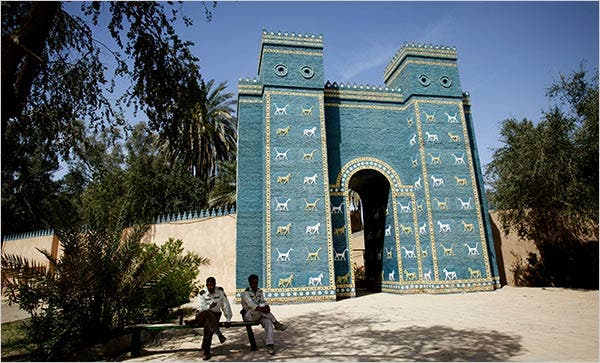
The reconstructed Ishtar Gate, with its stunning blue glazed bricks adorned with bulls and dragons, stands as the site's most photogenic feature. Wander through the Processional Way, explore the foundations of the Etemenanki ziggurat (possibly the Tower of Babel), and marvel at the Lion of Babylon statue. Overlooking the ruins, Saddam Hussein's abandoned palace offers a surreal contrast between ancient and modern history. The site requires some imagination to reconstruct its former glory, but the weight of history here is palpable.
Must-See Highlights
- Ishtar Gate (iconic blue tiled entrance)
- Processional Way (ancient ceremonial street)
- Lion of Babylon statue
- Etemenanki Ziggurat ruins
- Saddam's Babylonian Palace (overlooking ruins)
- Neighborhood of ancient temples
Essential Travel Tips for Iraq
Navigate the cradle of civilization safely and respectfully
Visa & Security
Most nationalities require visas. Iraqi Kurdistan (Erbil/Sulaymaniyah) has easier entry. Federal Iraq requires more paperwork. Check current security situations and consider hiring local guides for archaeological sites.
Money Matters
Iraqi Dinar (IQD) is the currency. International cards rarely work—bring USD or Euros in cash. Exchange at official money changers. ATMs are limited, especially outside major cities.
Dress Code
Modest dress is essential. Women should wear loose clothing covering arms and legs, and headscarves at religious sites. Men should avoid shorts. In Kurdistan, dress codes are more relaxed.
Culinary Delights
Try masgouf (grilled carp), kleicha (date cookies), and Iraqi kebabs. Sweet tea is ubiquitous and offered as hospitality. Don't miss trying bread baked in traditional clay ovens (tannour).
Language & Culture
Arabic and Kurdish are main languages. English is limited outside tourist areas. Learn basic greetings in Arabic ("As-salamu alaykum"). Hospitality is sacred—accepting tea is almost mandatory!
Best Time to Visit
Spring (March-May) and Autumn (September-November) offer pleasant temperatures. Summer (June-August) is brutally hot (50°C+). Winter can be cold and rainy, especially in the north.
Traveler Stories & Comments
Share your Iraq experiences or ask questions below!
Just returned from a week in Iraqi Kurdistan and I'm blown away! Erbil Citadel at sunset was magical, and the people were incredibly welcoming. The Qaysari Bazaar is a photographer's dream. Can't wait to explore federal Iraq next!
Has anyone visited the Mesopotamian Marshes recently? I'm planning a trip in October and would love to hear about the current situation for independent travelers. Also, is it possible to visit Hatra or is it still restricted?
The Iraq Museum in Baghdad is absolutely world-class—don't miss the Warka Vase and the Nimrud treasures. Pro tip: hire a guide inside to get the full context. Also, the security procedures are extensive but efficient. Be patient and respectful.